
Kkot-Saem-Chu-wi: Winter’s Last Jealousy and the Ultimate K-Comfort Food Guide
“”The flowers are ready to bloom, but Winter isn’t ready to let go.””
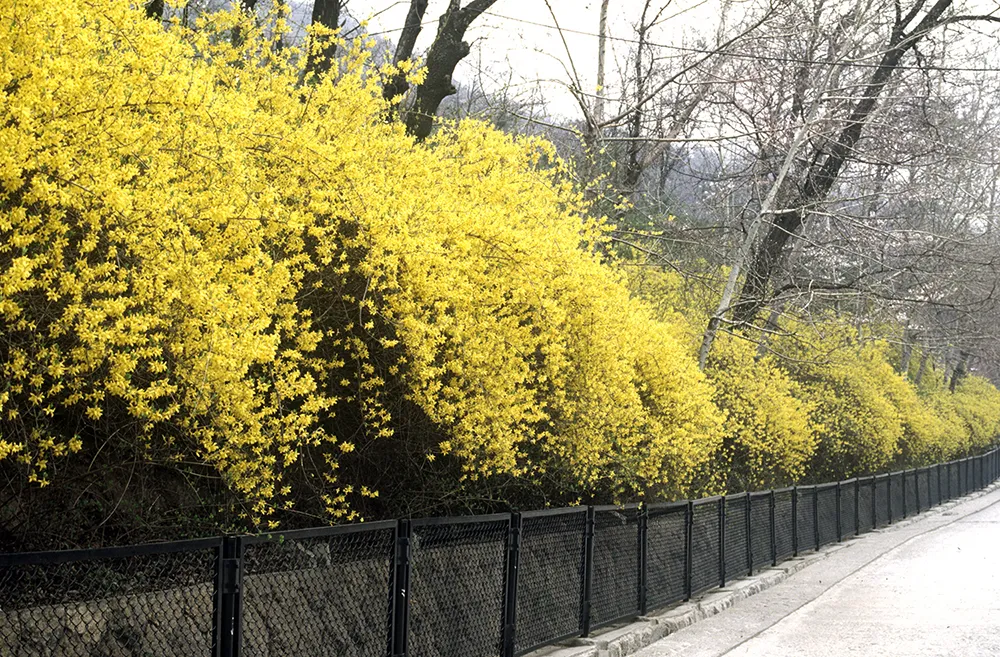
Photo courtesy of Encyclopedia of korean culture, forsythia
In Korea, March is a month of dramatic transition—a battlefield where the warmth of spring and the icy grip of winter collide. You might be walking through a park, admiring the first buds of the season, when suddenly, a biting, razor-sharp wind cuts through your coat. This isn’t just a “cold snap.” It’s ‘Kkot-Saem-Chu-wi’ (꽃샘추위), a beautiful yet fierce term that literally translates to “The Cold That is Jealous of the Blossoms.” It’s as if Winter, seeing the beauty of the emerging spring, throws one last tantrum to reclaim its throne.
Etymology: The Narrative of Nature’s Jealousy
To understand Korea is to understand the way we personify nature. The word breaks down into Kkot (Flower) + Saem (Jealousy) + Chu-Wi (Cold). This isn’t just a weather report; it’s a dramatic narrative.

For centuries, Koreans have viewed the change of seasons not as a dry meteorological event, but as a story filled with human-like emotions. The sudden sleet and freezing winds of March are seen as Winter’s “jealousy” toward the vibrant life of spring. This cultural perspective turns a simple temperature drop into a moment of poetic resilience. It’s a time to huddle together, appreciate the fleeting nature of the seasons, and—most importantly—seek out the kind of food that recharges your spirit.
The Science: Siberia’s Final Breath
While the story is poetic, the science is just as fascinating. As the massive Siberian Air Mass that dominates the Korean winter begins to retreat, it occasionally surges back one last time before the warm air from the south takes over.

Photo courtesy of mdpi.com, Siberian air mass
According to the Korea Meteorological Administration (KMA), this rapid drop in temperature is a recurring annual phenomenon. It’s a period where the contrast between day and night temperatures can be extreme, often leading to a drop in immunity. For us foodies, this scientific fact serves as the perfect excuse to dive into the most restorative, nutrient-dense “Comfort Foods” that Seoul has to offer. It is a time when the “Texture Explosion” of a hot meal becomes a biological necessity.
Gastronomic Strategy: Defeating the Cold with K-Comfort
“”When the wind bites, a steaming bowl of hand-torn dough soup isn’t just a meal—it’s a spiritual embrace that warms you from the marrow out.””
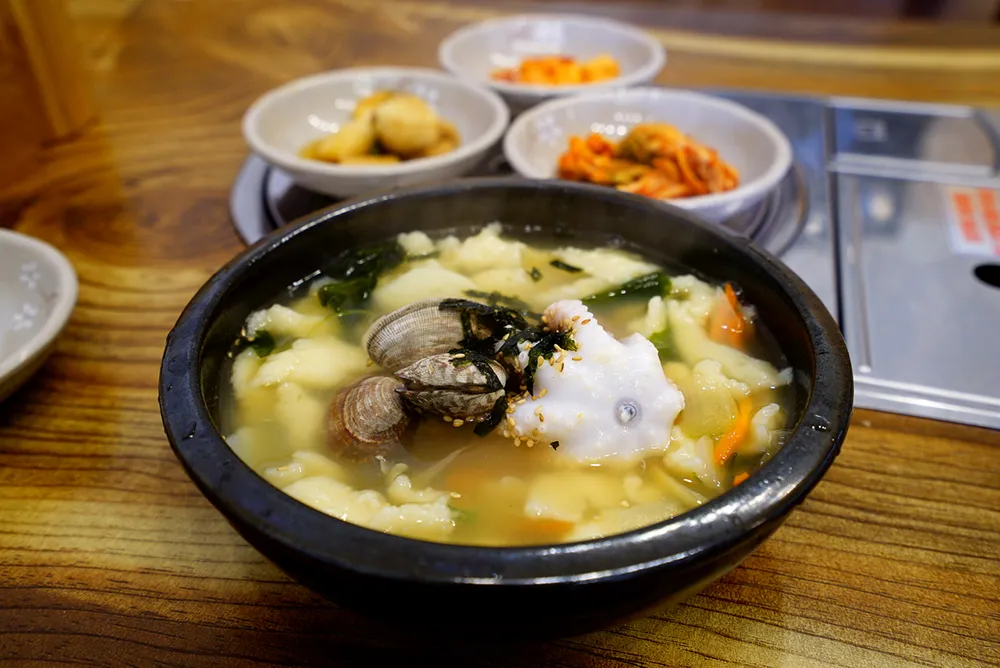
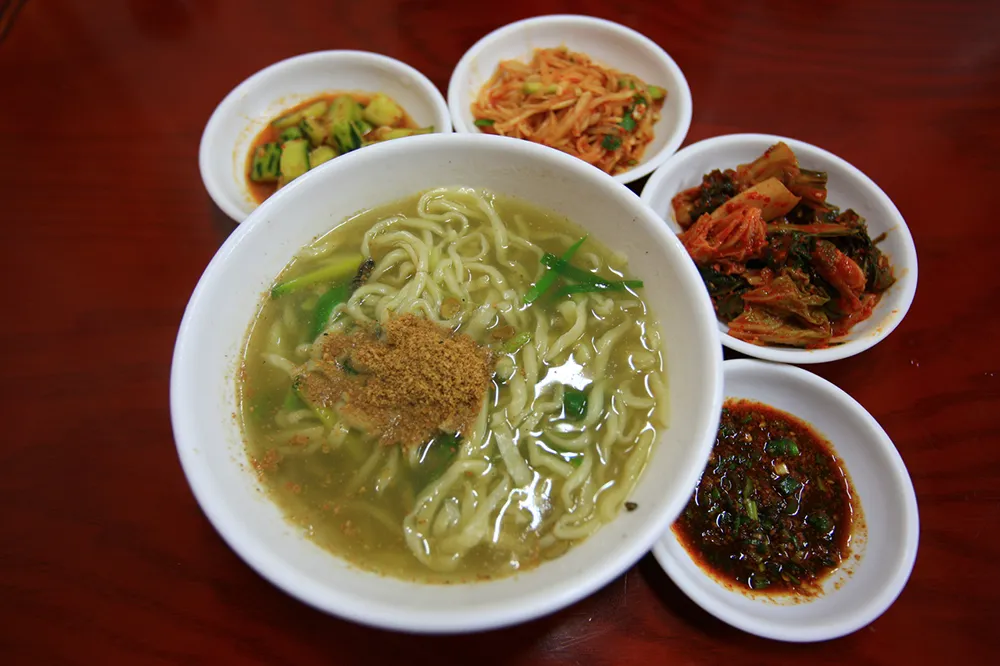
Photo courtesy of Korea Tourism Organization – (Left: Sujebi, Lee Beom-soo), (Right: Kalguksu, Kim Ji-ho)
When Kkot-Saem-Chu-wi hits, your first destination should be a steaming bowl of Sujebi (Hand-torn Dough Soup) or Kalguksu (Hand-cut Noodles).
Imagine this: you’re sitting in a rustic wooden shop in Insadong, watching the sleet fall outside the window. A massive ceramic bowl arrives, radiating heat. The Sujebi features irregular, chewy shards of dough that have been torn by hand, giving you an incredible variety of textures in every spoonful. The broth—usually a deep, concentrated essence of dried anchovies and kelp—is clean yet profoundly savory. One sip, and you can feel the warmth surging through your veins. It’s a “Flavor Bomb” of pure, unadulterated comfort that makes you forget the jealous wind outside.
To finish the meal, you must visit a traditional tea house for a cup of Saenggang-cha (Ginger Tea) or Daechu-cha (Jujube Tea). These aren’t your typical tea bags; they are thick, almost syrupy concoctions made from slow-simmered roots and fruits.
The Ginger Tea, in particular, has a sharp, spicy kick that lingers at the back of your throat, instantly boosting your circulation and clearing your senses. The natural sweetness of the jujube provides a soothing, earthy finish. In the middle of March’s final cold snap, this combination of hot soup and spicy tea is the ultimate “Healing Energy” that prepares you for the full glory of the coming spring.
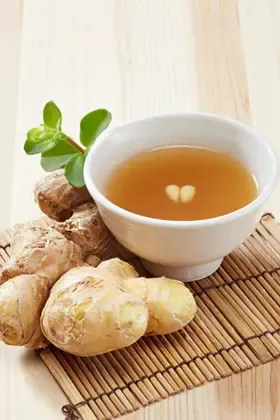
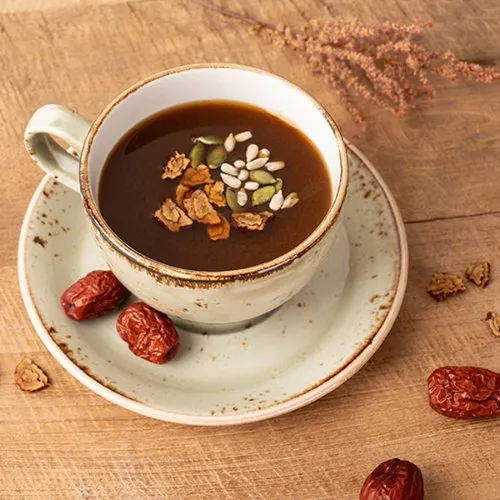
Photo courtesy SNS – (Left: Saenggang-cha), (Right: Daechu-cha)
Local Tips
- –The absolute beauty of Korean comfort foods like Sujebi and Kalguksu is that they are deeply rooted in working-class history. You are getting a massive, steaming bowl of hand-torn, artisanal dough swimming in a rich, slow-simmered seafood broth for the price of a standard fast-food meal back home.
- –The Kimchi Rule: A true Kalguksu or Sujebi masterclass relies heavily on the side dish. Make sure to wrap a piece of the sharp, spicy ‘Geotjeori’ (freshly made, unfermented Kimchi) around your dough for the ultimate flavor bomb.
- –Spice for Health: Traditional Korean Ginger Tea (Saenggang-cha) is potent. It is the ultimate local remedy to fight off the sudden chills of the March temperature swings. Drink it slowly and let the heat radiate through your chest.
- –Pairing this with a thick, medicinal cup of traditional Ginger or Jujube tea in an Insadong teahouse makes for an incredibly cost-effective culinary therapy session. It warms your soul without emptying your wallet. Wow!
- –Where to Go: The historic alleys of Insadong and Bukchon Hanok Village offer the perfect atmospheric backdrop to enjoy these traditional cold-weather cures.
Who I Recommend This For
- –Culture Enthusiasts: Travelers who want to experience the poetic and traditional ways Koreans navigate the changing of the seasons.
- –Budget Foodies: Anyone looking for an explosive, high-quality culinary experience that provides massive comfort on a tight budget.
- –Those Seeking Warmth: If the sudden March wind has left you shivering, this specific combination of hot soup and medicinal tea is your guaranteed cure.
Final Thoughts
Ggot-saem-chu-ui is Winter’s shy, final goodbye. It reminds us that nothing beautiful—like the cherry blossoms—comes without a little struggle. So, don’t let the sudden cold dampen your spirits. Instead, use it as a reason to seek out the deep, soulful flavors of Korea. Grab a spoon, dive into a bowl of Sujebi, and let the warmth of Seoul’s hospitality carry you into the spring. May your journey be filled with positive energy and incredible food!
Unauthorized use or distribution of these photos and text is strictly prohibited.